



Cybersecurity
In a Connected World, Every Device Is a Security Decision
Why IoT security, device identity, access control and continuous monitoring are becoming essential for protecting connected business environments.
Why every connected device is a security decision
Modern organizations increasingly depend on connected devices to monitor assets, automate processes and manage operations.
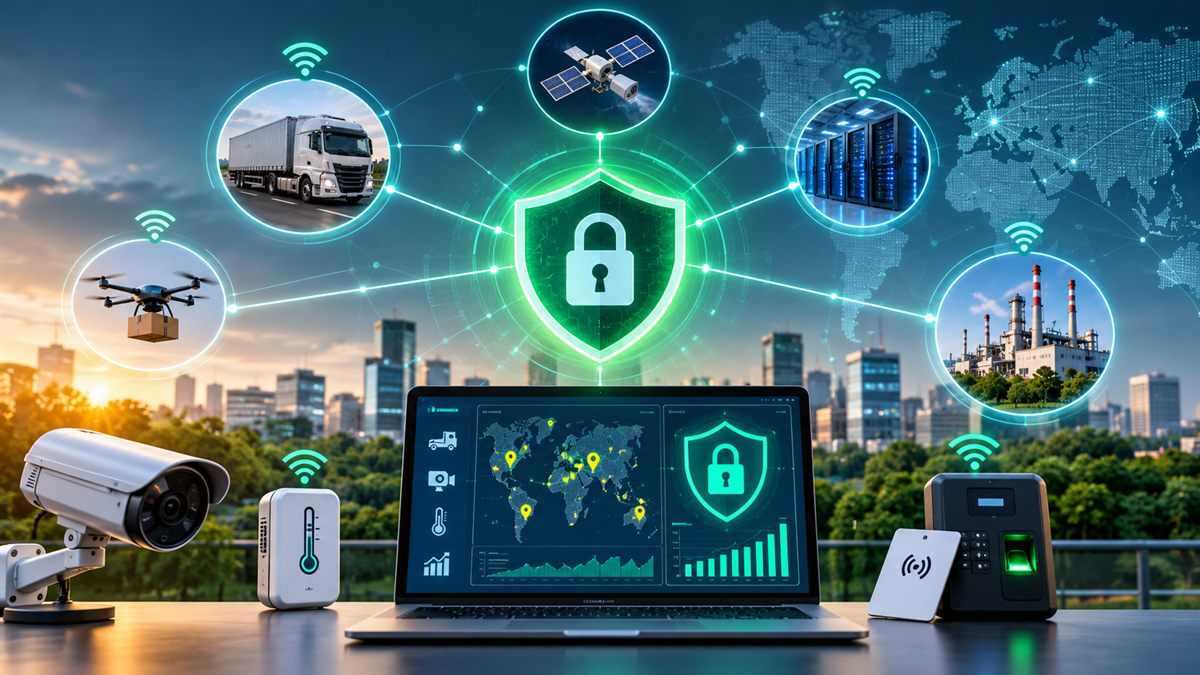
A camera connects to the network. A vehicle sends telemetry. A sensor reports temperature. A server processes data. A control system receives commands.
But as the number of connected devices grows, so does the importance of securing them.
Should every connected device be trusted simply because it is on the network?
The answer is no.
Every connected device represents a potential entry point, a source of operational information and a point that requires appropriate security controls.
This is why IoT security is becoming an essential part of modern cybersecurity strategies.
Connectivity Creates Opportunity—and Security Exposure
The Internet of Things has transformed how organizations collect information, monitor equipment, manage infrastructure and automate operations.
Connected cameras provide surveillance data. Vehicle tracking devices transmit location information. Industrial sensors monitor operating conditions. Smart systems allow teams to access information from multiple locations.
Each connected device introduces security considerations. Organizations must understand:
- Which devices are connected to their networks.
- Who owns and manages those devices.
- What information each device collects and transmits.
- Which systems and resources each device can access.
- Whether device configurations and software remain secure.
- How unusual or unauthorized activity is identified.
The challenge is no longer simply connecting devices.
It is understanding what is connected, verifying its identity, controlling its permissions and monitoring its behaviour.
A Device Shouldn't Be Trusted Just Because It Is on the Network
Traditional network security often relied heavily on perimeter-based protection, where systems inside an organization's network were treated differently from external systems.
Modern connected environments are more complex. A device inside a facility may still be compromised. An authorized user may attempt to access information beyond their responsibilities. An unfamiliar endpoint may connect without approval.
Zero Trust security is based on the principle that trust should not be granted automatically because of a device's network location, ownership or previous access.
Access decisions should consider identity, authentication, authorization and the resource being requested.
- Device Identity: Can the organization establish which device is requesting access?
- Authentication: Can the device or user demonstrate who or what it claims to be?
- Authorization: Is that device or user permitted to access the requested resource?
- Access Control: Are permissions restricted to what is actually required?
- Continuous Monitoring: Is the device behaving in a way that matches its expected purpose?
Security should not end when a device successfully connects.
It should continue throughout the device's operational lifecycle.
The IoT Security Challenge Goes Beyond Cyberattacks
Cybersecurity also involves managing everyday risks associated with connected devices.
- An Unprotected Camera: Weak credentials or outdated software may expose video feeds or provide an entry point into a wider network.
- An Unauthorized Vehicle User: A person operating an organizational vehicle without appropriate authorization creates security and operational concerns.
- A Compromised Sensor: Inaccurate or manipulated information may affect decisions based on its readings.
- An Unmanaged Device: An unmaintained or unmonitored device can become a weakness when software, permissions or configuration are outdated.
- Excessive Access Permissions: A device that communicates with systems beyond its operational requirements creates unnecessary exposure.
IoT security must consider the complete connected environment rather than focusing exclusively on internet connectivity.
From 'Connected' to 'Controlled': Building a More Secure IoT Environment
Connecting devices is only the beginning. Organizations also need a structured approach to managing and protecting them.
- 1. Identify and Classify Connected Devices: Maintain an inventory of devices, including purpose, ownership, location, software and network connections.
- 2. Establish Strong Authentication: Require devices and users to demonstrate their identities; avoid weak access arrangements and default credentials.
- 3. Apply Access Restrictions: Give devices only the permissions necessary for their intended functions.
- 4. Secure Configurations and Updates: Maintain secure configurations, restrict unnecessary services and apply appropriate software and firmware updates.
- 5. Monitor Device Activity: Identify unusual communication patterns, unexpected connections and suspicious activities.
- 6. Establish Incident Response Procedures: Know how to isolate affected devices, investigate activity, restore operations and document incidents.
These practices transform device connectivity into a more controlled and manageable environment.
Physical and Digital Security Are Converging
As organizations connect vehicles, facilities, sensors, surveillance systems and operational platforms, the distinction between physical and digital security becomes increasingly important.
A digital access decision can determine whether someone operates a physical asset.
RFID-based driver authorization adds an identity and access-control layer to vehicle operations.
RFID identification can help organizations recognize authorized drivers, maintain records of access-related activities and manage vehicle access according to configured procedures.
Depending on system configuration and safety requirements, remote immobilization and real-time alerts can provide additional operational controls.
How NLC Smart Solutions Supports Connected Operations
Building a secure connected environment requires technologies that support monitoring, access control and cybersecurity.
- IoT Solutions: Connected monitoring solutions bring readings from supported devices and equipment into centralized dashboards, including fuel and generator monitoring.
- Cybersecurity Services: Services focused on threat detection, network security, endpoint protection and business continuity support.
- RFID-Based Vehicle Access Authorization: Driver identification and vehicle access authorization supported by activity tracking, remote immobilization and configured real-time alerts.
Together, these areas address equipment monitoring, digital infrastructure protection and controlled vehicle access.
For organizations operating across Pakistan, understanding how these capabilities fit into wider technology and security requirements is an important step toward building more controlled digital environments.
The Question Leaders Should Ask
Organizations often ask:
"How many devices are connected to our environment?"
A more important question may be:
"How many of those devices can we confidently identify, authorize and monitor?"
An organization may have hundreds or thousands of endpoints, but simply knowing their number does not establish whether they are secure.
Effective IoT security requires visibility into device identity, access permissions, configurations and activity.
It also requires clear responsibility for maintaining and protecting those devices.
Connectivity supported by identity, authorization and continuous monitoring can create a more reliable operational environment.
The Future of IoT Security
The number of connected devices will continue to grow across businesses, industries and infrastructure.
Future-ready organizations will build connected environments where:
- Every device has an identifiable purpose.
- Access is granted according to defined permissions.
- Systems are configured and maintained appropriately.
- Device activity is monitored for unusual behaviour.
- Security incidents have clear response procedures.
- Physical and digital security work together.
The goal is not to eliminate connectivity.
It is to make connectivity more controlled, accountable and secure.
In a world where everything can connect, knowing what to trust becomes just as important as knowing what to connect.
Let's Discuss
As organizations connect more devices, equipment and assets, what should be the first priority?
Device identity, access authorization, continuous monitoring or overall cybersecurity?
Frequently Asked Questions
1. What is IoT security?
IoT security refers to the practices, technologies and controls used to protect connected devices, their communications, collected information and the systems they interact with.
2. Why is device identity important in IoT security?
Device identity helps organizations establish which devices are connecting, supporting authentication, access control, monitoring and the identification of unauthorized devices.
3. What is the difference between authentication and authorization?
Authentication verifies identity. Authorization determines what an authenticated user or device is permitted to access or do.
4. What is Zero Trust Security?
Zero Trust does not automatically trust users or devices based on network location or ownership. It supports identity verification, restricted permissions and ongoing evaluation.
5. How can organizations improve connected-device security?
Use device inventories, strong authentication, restricted permissions, secure configurations, updates, network protection, activity monitoring and incident response procedures.
6. How does RFID-based authorization improve vehicle security?
It helps identify drivers and control vehicle access according to configured procedures, supported by tracking, immobilization and real-time alerts.
7. What IoT and cybersecurity services does NLC Smart Solutions provide?
NLC Smart Solutions provides IoT monitoring, cybersecurity services and RFID-based vehicle authorization with monitoring and configured operational controls.
Looking for a solution for your operations?
Tell our team what you need, and we'll help you explore the right next step.
Talk to our team